
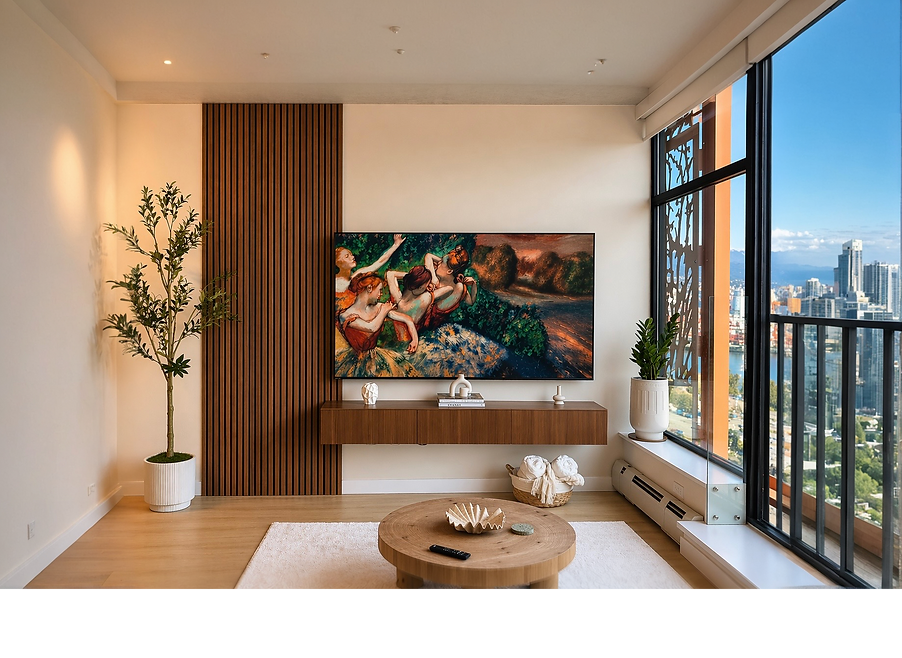
Holiday Rental Marketing Tips for Vancouver Airbnb Owners

TL;DR:
Vancouver Airbnb owners must focus on their own websites, listings, and multi-channel marketing strategies to increase bookings. Building a direct booking site, using high-quality photos, and responding quickly to inquiries significantly boost revenue. Diversifying marketing efforts through social media, email, and paid ads ensures stable growth and reduces dependence on third-party platforms.
Holiday rental marketing is the practice of using digital and direct engagement methods to attract guests, fill calendars, and reduce dependence on third-party booking platforms. For Vancouver Airbnb owners, this is not optional. 37.5% of operators increased direct bookings by investing in their own websites and SEO. That number tells you where the real competitive edge lives in 2026. A multi-channel strategy combining paid search, social media, and email captures guests at every stage of their decision, from early inspiration to final booking.
1. Holiday rental marketing tips start with a direct booking website
A direct booking website is the single most profitable asset a Vancouver Airbnb owner can build. Every booking made through your own site avoids the platform commission that eats into your margin on third-party channels. Direct booking sites convert browsers into bookers more efficiently than listing platforms because you control the guest experience from first click to confirmation.

Your site needs to do one job: get the visitor to book. That means a clear property description, real photos, a visible price, and a booking button that loads fast on mobile. Poor landing pages kill paid ad campaigns before they start. If you are spending money on Google Ads and sending traffic to a slow, cluttered page, you are paying for clicks that leave without booking.
SEO-focused content on your site captures high-intent searches. Write pages around local landmarks, neighborhoods, and amenities. A page titled “Vacation rental near Stanley Park with mountain views” ranks for exactly the searches your ideal guest makes.
Mobile-optimized design with fast load times
Clear call-to-action buttons on every page
Local SEO content targeting Vancouver neighborhoods and attractions
Secure payment processing and instant booking confirmation
Guest reviews displayed prominently to build trust
Pro Tip: Run your site through Google PageSpeed Insights monthly. A one-second delay in load time measurably reduces conversions on mobile devices.
2. Craft listings that convert browsers into bookers
Listing quality is the most underrated variable in short-term rental promotion. Renter demand in 2026 favors listings that show actual unit views, floor plans, and high-demand amenities rather than generic stock photography. Guests want to know exactly what they are booking before they commit.
Unit-specific photos are non-negotiable. Show the actual bedroom, the view from the balcony, the kitchen counter space, and the bathroom finish. Generic wide-angle shots of a living room tell guests nothing useful. Specificity builds trust, and trust drives bookings.
Your description needs to reflect what guests actually search for in 2026. Phrases like “high-speed fiber,” “work-from-home ready desk,” and “EV charging available” capture a new category of traveler that did not exist five years ago. Include commute details to downtown Vancouver, walking distance to SkyTrain stations, and proximity to popular restaurants. These details capture hyper-local search intent that broad descriptions miss entirely.
Update your listing description every quarter. Markets shift, guest expectations change, and a description written in 2024 will not reflect what converts in 2026.
Pro Tip: A/B test your listing headline by running two versions for 30 days each and comparing click-through rates. A single word change, like swapping “cozy” for “bright,” can shift performance significantly.
3. What vacation rental advertising strategies produce the best ROI?
Paid advertising works when you match the channel to the stage of the guest’s decision. Paid search captures demand from guests who are already ready to book. Social media creates demand from guests who have not started planning yet. Email nurtures guests who have already stayed with you. Using all three together produces results that no single channel can match alone.
Pay-per-click campaigns require location-specific keywords to avoid wasted spend. A broad keyword like “vacation rental” attracts clicks from people in markets you cannot serve. A specific phrase like “pet-friendly Airbnb near Granville Island” attracts a guest who is ready to book and knows exactly what they want. The difference in conversion rate between broad and specific keywords is significant.
Retargeting is where paid advertising pays for itself. A guest who visited your direct booking site but did not book is a warm lead. Retargeting ads on social media and Google Display bring that guest back at a fraction of the cost of acquiring a new visitor.
Use Google Search Ads with Vancouver-specific, property-type keywords
Retarget site visitors with social ads showing your property photos
Set geographic targeting to capture travelers planning Vancouver trips
Segment campaigns by travel motivation: leisure, remote work, family travel
Install Google Tag Manager and conversion tracking before spending a dollar on ads
Pro Tip: Install conversion tracking on your booking confirmation page before launching any paid campaign. Without it, you cannot tell which keywords are generating bookings and which are burning budget.
Audience segmentation by travel motivation improves ad relevance across every paid channel. A family traveling for a hockey tournament needs a different message than a remote worker relocating for a month. Knowing why someone travels shapes the creative, the timing, and the offer.
4. How social media marketing attracts holiday rental guests
Instagram is the strongest platform for showcasing vacation rental lifestyle and building brand awareness before a guest starts searching. High-quality lifestyle photos and audience segmentation improve social ad performance more than any other variable. The goal at this stage is not to get an immediate booking. The goal is to make your property memorable before the guest even knows they want to visit Vancouver.
Authenticity outperforms polish on social media. A photo of morning coffee on your balcony with the North Shore mountains in the background performs better than a staged interior shot. Guests are buying an experience, not a room. Show them the experience.
Stories and Reels extend your reach beyond your existing followers at no additional cost. A 30-second Reel showing the walk from your property to a local market or waterfront can reach thousands of potential guests through Instagram’s recommendation algorithm.
Post lifestyle content showing the Vancouver experience, not just the property
Use location tags for Vancouver neighborhoods to appear in local searches
Segment paid social audiences by travel interest, income, and past travel behavior
Link every post and story to your direct booking site
Use Instagram Highlights to create permanent collections of your best content
Pro Tip: Use Instagram Reels to show the neighborhood, not just the property. A 20-second clip of the walk to Granville Island or Kitsilano Beach creates desire that a static photo cannot.
5. Email marketing best practices for repeat bookings
Email marketing is the highest-return channel for repeat bookings, with near-zero marginal cost per campaign. A guest who has already stayed with you is far easier to convert than a new visitor who found you through a search ad. Building and nurturing your email list is the most cost-efficient thing you can do for long-term revenue.
Collecting guest emails starts at the booking stage. Your booking confirmation should capture the email address and set expectations for future communication. A Wi-Fi splash page at your property is a second collection point that captures guests who booked through a third-party platform and did not share their email directly with you.
Collect emails at booking confirmation and via Wi-Fi splash page
Segment your list by stay type, travel party size, and booking lead time
Automate a post-stay sequence asking for a review and offering a return discount
Send seasonal campaigns tied to Vancouver events, ski season, and summer festivals
Combine email with social retargeting to reinforce your message across channels
Segmentation is what separates effective email marketing from spam. A family that stayed during spring break does not need the same message as a solo remote worker who booked for a month. Targeted messaging drives open rates and booking conversions that generic blasts cannot match.
Pro Tip: Offer email subscribers an exclusive early-bird rate for peak Vancouver dates like the Vancouver Folk Music Festival or Ski season. Scarcity and exclusivity drive faster decisions than discounts alone.
Automated inquiry responses within minutes prevent potential guests from moving to other options. Speed is a conversion factor that most owners underestimate. Pair automated responses with a booking workflow that moves guests from inquiry to confirmed reservation without manual steps.
6. Why listing transparency reduces no-shows and increases closings
Transparency in listings reduces wasted inquiries and increases the rate at which inquiries convert to confirmed bookings. Accurate visual representation filters out guests who would be disappointed on arrival. That filtering saves you the cost of a no-show and protects your review score.
The most common transparency failure is showing photos that do not match the actual unit. A photo taken with a wide-angle lens in favorable lighting creates expectations that the real space cannot meet. When guests arrive and the space feels smaller or darker than expected, they leave a negative review. That review costs you future bookings worth far more than the one you just completed.
List every limitation clearly. If the property has street noise, say so. If parking requires a short walk, include that detail. Guests who book with full information are satisfied guests. Satisfied guests leave five-star reviews and come back. The Vancouver rental market is competitive enough that your review score is a direct revenue driver.
Key Takeaways
The most effective approach to holiday rental marketing combines a direct booking website, optimized listings, targeted paid advertising, social media presence, and email retention to build a booking pipeline that does not depend on any single platform.
Point | Details |
Direct booking website | Reduces commissions and gives you full control over the guest experience and conversion path. |
Listing specificity | Unit-level photos and 2026-relevant amenity keywords build trust and filter out low-intent inquiries. |
Multi-channel advertising | Pair paid search for demand capture with social ads for demand creation and email for retention. |
Email list building | Collect guest emails at booking and via Wi-Fi to run near-zero-cost repeat booking campaigns. |
Response speed | Automated replies within minutes capture high-intent guests before they book elsewhere. |
What I’ve learned about marketing Vancouver rentals that most guides skip
Most marketing advice for short-term rentals treats every market the same. Vancouver is not every market. The city draws remote workers from San Francisco and Seattle who want month-long stays, international visitors during the ski season, and domestic travelers during summer festivals. Each of those guest types needs a different message, a different channel, and a different offer.
The owners I see struggle most are the ones who put all their trust in one platform and call it a marketing strategy. When that platform changes its algorithm or raises its fees, their revenue drops overnight. Diversification across your own direct booking site, paid search, social media, and email is not extra work. It is the only way to build a rental business that is stable across seasons and platform changes.
The detail that surprises most owners is how much response speed matters. Automated responses within minutes are not a luxury. They are the difference between a confirmed booking and a guest who moved on to the next listing. I have seen owners lose bookings they did not even know they had because they responded four hours later.
The last thing I will say is this: transparency in your listing is not a risk. It is a filter. The guests who book knowing exactly what they are getting are the guests who leave five-star reviews. Those reviews compound over time into a ranking advantage that no paid ad can replicate. Build your marketing on honest, specific listings and the rest of the strategy works harder for every dollar you spend.
— Kamran
How Nestoriaestates supports your rental marketing goals
Property owners who want to grow their Vancouver Airbnb income without managing every detail themselves have a clear option.
Nestoriaestates handles the full marketing and operations stack for Vancouver property owners, from listing optimization and pricing strategy to guest communication and booking workflow automation. The team applies data-driven pricing adjustments and manages direct booking channels to reduce your dependence on platform commissions. Property owners get transparent reporting and free revenue projections before committing. If you want to see what your property can earn with professional marketing behind it, the full service overview is the right place to start.
FAQ
What is the most effective holiday rental marketing strategy?
A multi-channel approach combining a direct booking website, paid search ads, social media, and email marketing produces the best sustained results. Each channel captures guests at a different stage of their decision process.
How do I increase direct bookings for my Vancouver Airbnb?
Invest in a direct booking website with local SEO content targeting Vancouver neighborhoods and attractions. 37.5% of operators who made this investment saw measurable increases in direct bookings.
What photos should I use in my vacation rental listing?
Use unit-specific photos showing the actual bedroom, bathroom, kitchen, and views from the property. Generic or wide-angle shots reduce trust and attract guests whose expectations the property cannot meet.
How quickly should I respond to rental inquiries?
Respond within minutes using automated messaging tools. Automated responses prevent high-intent guests from moving to competing listings before you have a chance to confirm their booking.
Is email marketing worth it for short-term rental owners?
Email marketing is the highest-return channel for repeat bookings because the marginal cost per campaign is near zero. Segmented, automated sequences targeting past guests consistently outperform cold paid advertising in cost per booking.
Recommended
Comments